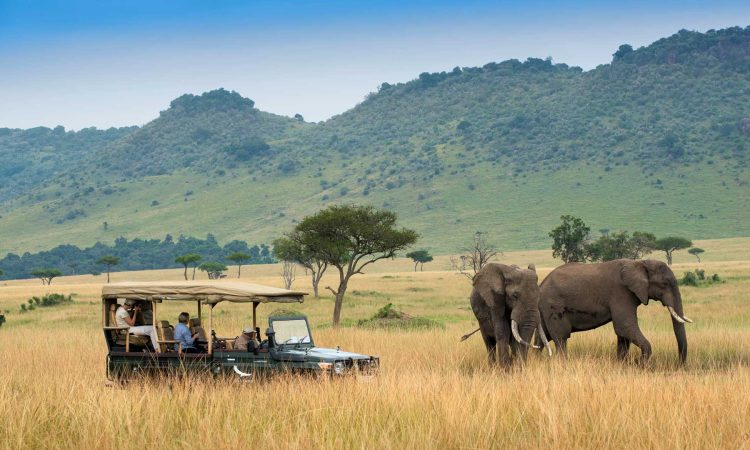
Traveling to Africa is often accompanied by deeply rooted ideas and assumptions. Many of these can influence your expectations even before you start planning your trip. However, the reality is completely different. Africa is much more diverse, accessible, and welcoming than it seems at first glance.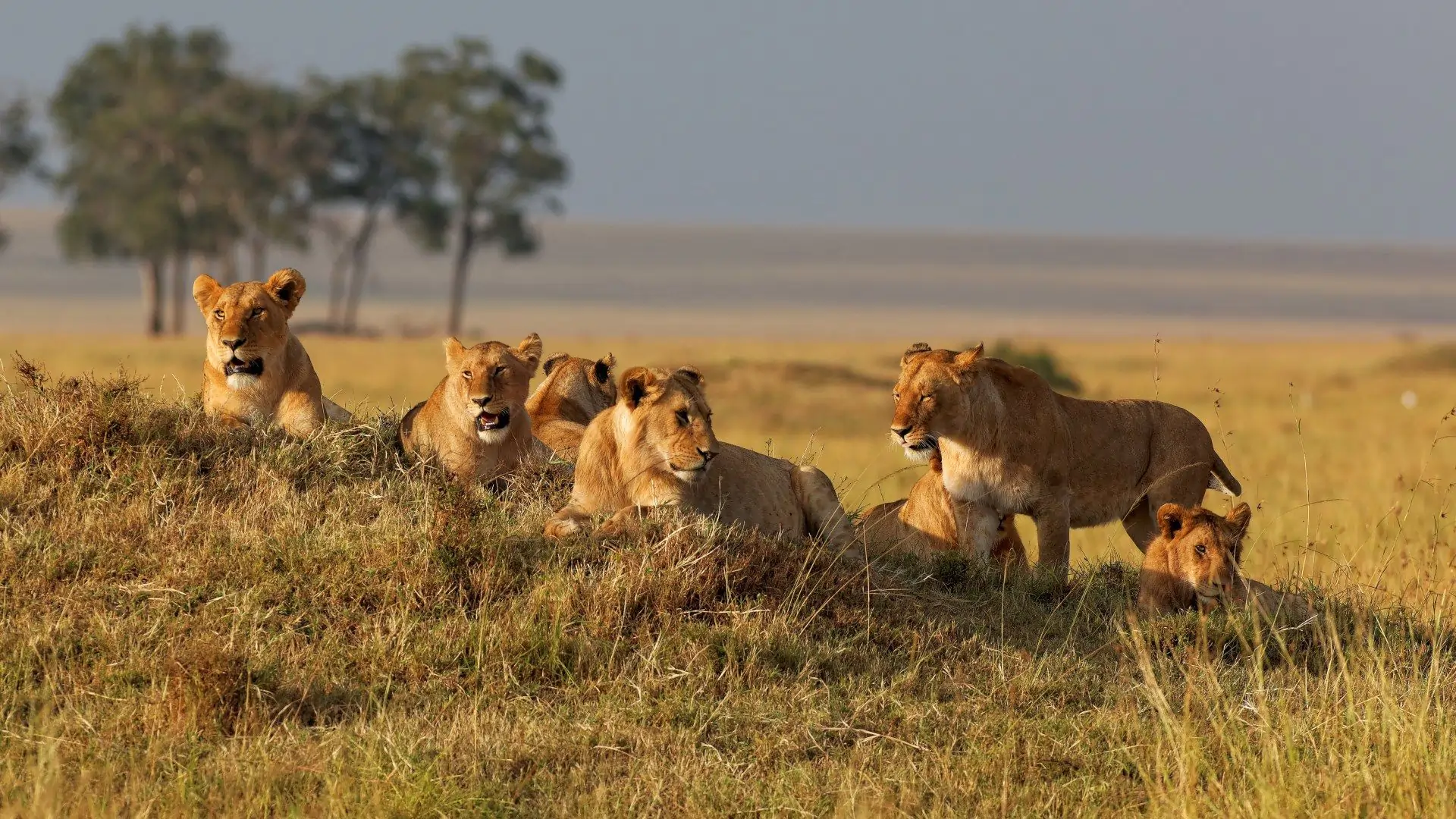
Before we get to the packing, let's first look at the most common myths surrounding travel to Africa.
10 myths about traveling to Africa
Myth 1: Africa is dangerous
The idea of Africa being dangerous has a long tradition, but the reality is quite different. Traveling around the continent is safe and organized today, especially with a partner who knows the environment and local customs.
From the moment you land, we have thought through every detail: assistance at the airport, smooth transfers, a personal guide, and the certainty that every situation is taken care of. However, Africa has its own pace. Flights sometimes operate according to the so-called Africa time and roads are not always perfect, but that is precisely where their charm lies—in perspective, patience, and moments that ultimately become the most beautiful memories.
Myth 2: Safari has its "best season"
There is no single best time for a safari. Each season brings a different kind of beauty. The dry months reveal a more open landscape and animals are more frequently found near water sources. The post-rainy season, on the other hand, brings lush greenery, fewer visitors, and dramatic colors in the sky.
No two moments on safari are ever the same, and it is this unpredictability that makes it so magical. The best time to go? Whenever you're ready – nature will take care of the rest.
Myth 3: It only makes sense to visit the Okavango Delta during the flood season
The combination of wildlife viewing on land and water is particularly appealing, but the delta offers much more than just the flood season. When the water recedes, the wetlands transform into open countryside and animals begin to move around areas that were previously under water.
Each season reveals a different face of the delta, and even the dry months can be as powerful an experience as the flood season.
Myth 4: The great migration only takes place in July and August
The great migration is one of the world's greatest natural wonders, but it is certainly not an event limited to a few summer months. This phenomenon occurs continuously throughout the year.
More than two million wildebeests, zebras, and gazelles constantly move along a circular route across the Serengeti and Masai Mara. The animals instinctively head to places where they have enough food and water.
Myth 5: Wild animals roam freely in cities
In fact, wild animals prefer their natural habitat to busy cities. Small predators or antelopes can sometimes be seen on the outskirts of some areas, and in regions without fencing, elephants or hippos may occasionally stray to the edges of human settlements. However, these are rare moments rather than everyday reality.
Iconic African species live primarily in protected areas, which are crucial for their conservation. If you want to see them in their natural habitat, a safari is always the best way to go.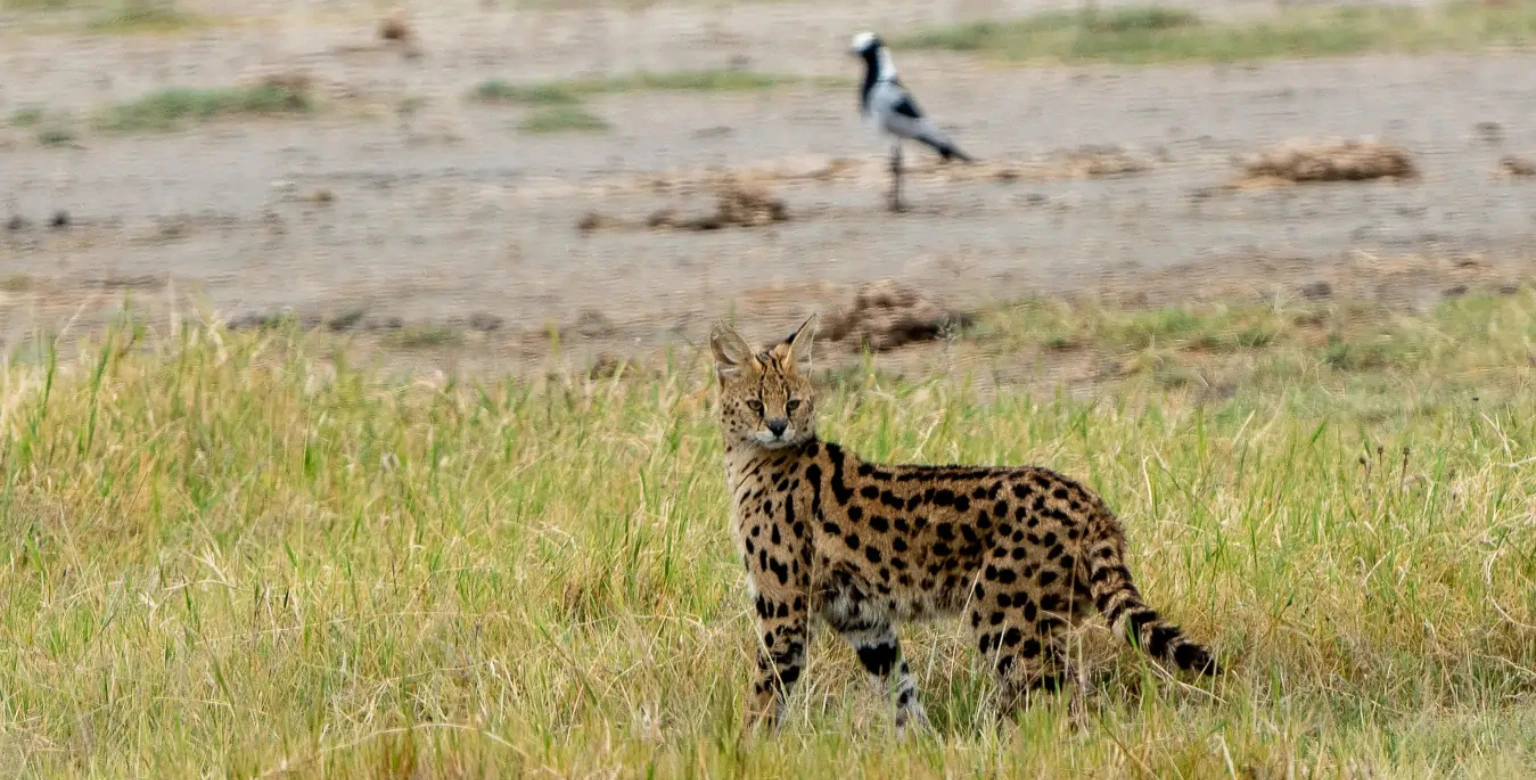
Myth 6: Africa is not for children
Africa isn't just for adults. For curious little travelers, it's a place full of discoveries, where they learn new things every day through experiences, not textbooks. Many safari lodges and island resorts actively welcome families with children and offer award-winning hospitality, child-friendly facilities, and an emphasis on safety.
Myth 7: Safari is the only reason to go to Africa
Safari is an iconic experience, but Africa offers much more than just wildlife viewing. The continent boasts tropical islands, pristine beaches, world-class diving, award-winning wineries, dramatic mountain ranges, tropical rainforests, desert dunes, and waterfalls. Each destination tells a different story, and each itinerary can be as varied or relaxed as you wish.
Myth 8: Animals on safari see you as prey
One of the most common concerns of first-time safari visitors is the idea that wild animals perceive them as prey. The answer is simple: they are not interested in you. During the trips, you will quickly discover that most of them are not interested in safari vehicles or the people inside them. They perceive the car as a harmless entity and usually ignore it completely.
However, it is still important to remember that you are in the wild. It is essential to respect the animals' space and follow the instructions of an experienced guide who can read their behavior and maintain a safe distance. This makes safaris extremely safe for both you and the animals themselves.
Myth 9: It is always hot and sunny in Africa
Africa is a huge continent with diverse landscapes, and the weather reflects this. It is not tropical heat everywhere. You will encounter cold mornings, fog in the mountains, summer storms, and rain in the desert.
In some safari destinations, you may need a hat and gloves in the morning, while in the afternoon you can relax by the pool in the sun. Africa can show several completely different faces in a single day, and it is this variability that is part of its charm.
Myth 10: You can't eat well in Africa
African cuisine is often underestimated, but this is certainly unjustified. It is as diverse as the continent itself, ranging from spicy stews and fragrant curries to grilled meats, fresh fish, seafood, and seasonal vegetables. Each region has its own specialties and recipes passed down through generations.
Many lodges and resorts also work with exceptional ingredients and a modern take on traditional dishes. Chefs are happy to introduce local flavors in a way that will be an experience for discerning travelers.
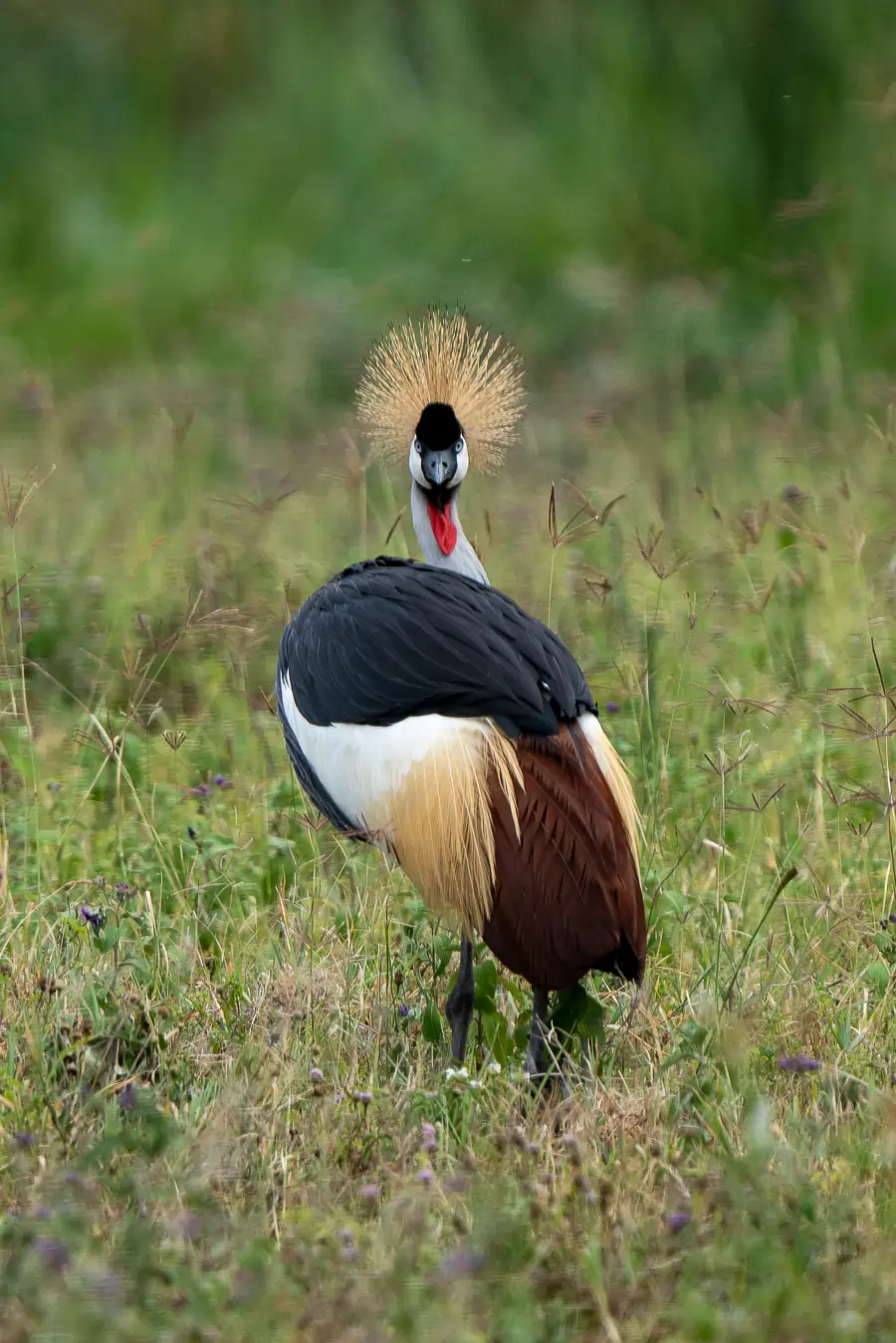

Now that you know what to really expect from Africa, we can move on to the practical part, namely packing.
What to pack for a safari
For many people going on safari for the first time, packing can be a little confusing. What to wear? What to take with you? And what to leave at home? We hear these questions often. But packing shouldn't be a source of stress. It's part of the preparation that can awaken your enthusiasm for travel, and it's also the first moment when your safari dream begins to take shape.
When going on safari, it is very important what kind of luggage you take with you. Domestic flights to lodges usually have a limit of 15-20 kg, including carry-on luggage, and the weight is actually checked. Soft bags (duffle bags) or hard-shell suitcases are best, as they hold their shape well and are easy to stow even in smaller aircraft. Avoid fabric suitcases. There is a lot of dust on safari, and these materials get dirty very easily.
Choose clothing with an emphasis on comfort and natural shades. Neutral colors are the best choice, but there is no need to buy an entire khaki wardrobe. You will spend long hours in open safari vehicles, often in the harsh sun, so you will appreciate breathable materials and clothing that can be easily layered for cool mornings and warm afternoons. Lighter shades will help keep you cool, while dark colors absorb heat.
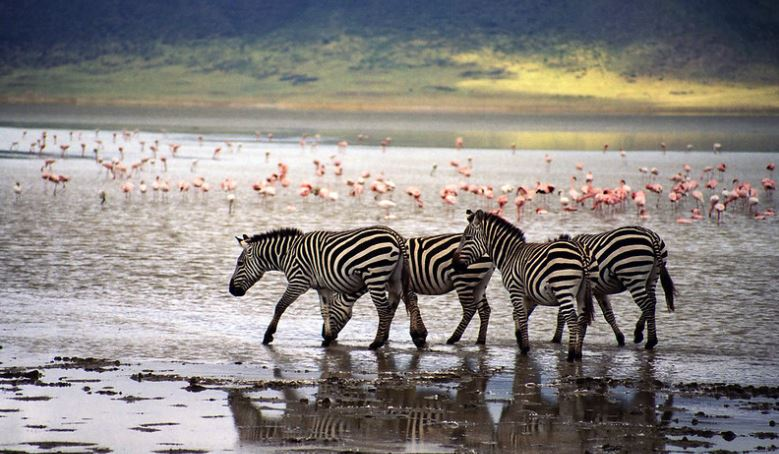
There is one simple rule on safari: less is more. All you need is a few lightweight outfits that can be mixed and matched—ideally a mix of long and short sleeves and pants and shorts.
Don't forget basic sun protection – sunscreen, lip balm, and after-sun care.
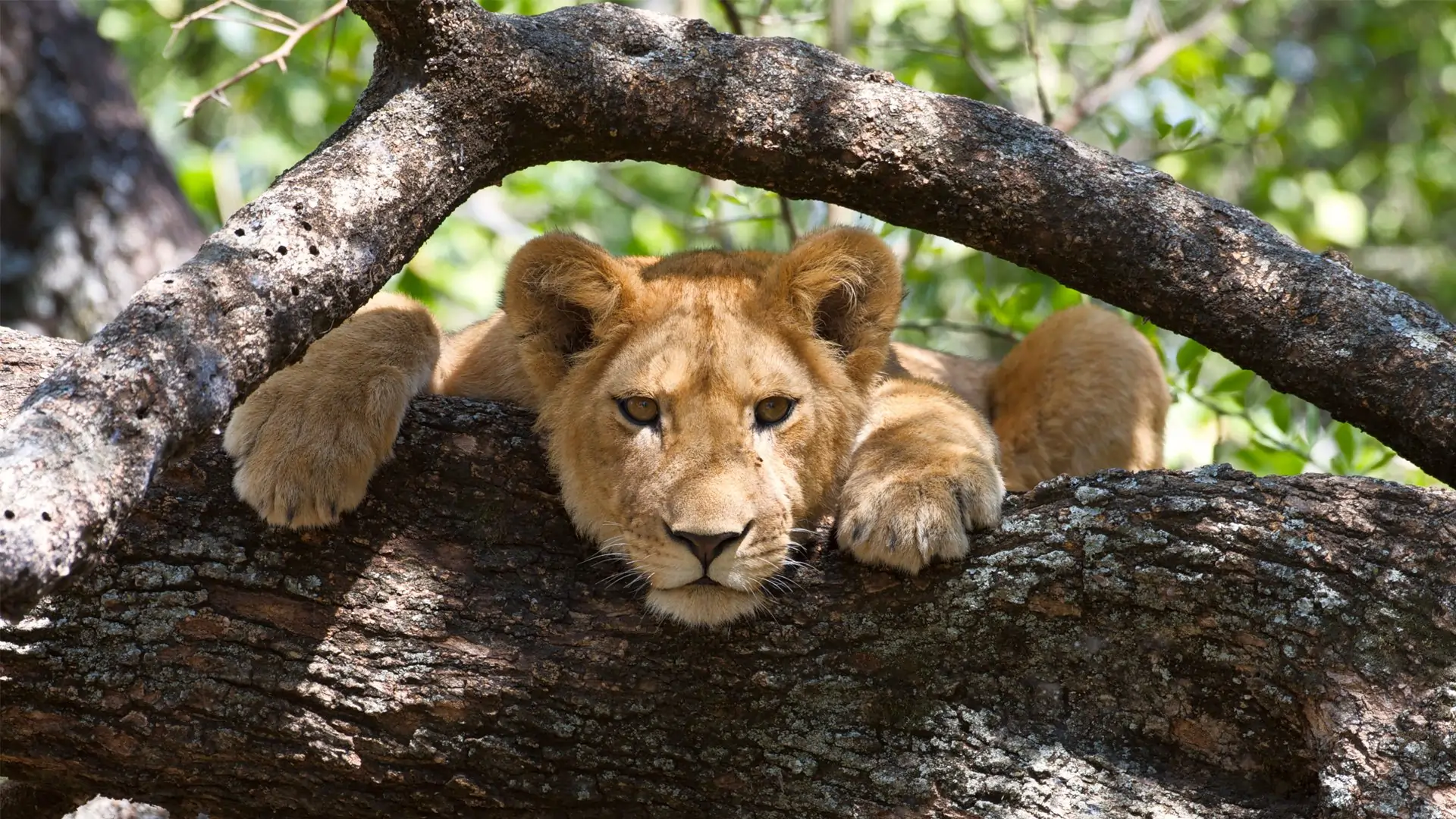
Dresscode
Guests often ask if there is an evening dress code. Don't expect formal rules here. Some people change into shirts, others stay in jeans. The lodge maintains a relaxed style and comfort is paramount. For women, long pants or longer dresses are most practical in the evening, as mosquitoes have a weakness for bare legs.
Africa can enchant you with how easily it defies all the preconceptions you bring with you. When you know what to expect and have the right equipment, a continent full of colors, stories, and unforgettable moments will open up to you. From that moment on, it's up to you what you take away from Africa.